
SYSTEM DEVELOPMENT & FLIGHT TEST
Develop the system.
Verify the result.
Aircraft development needs clear interfaces and a credible route to verification. My support spans system architecture, integration and flight testing, drawing on experience with electric and hydrogen propulsion and autonomous or optionally piloted aircraft, including MALE UAVs.
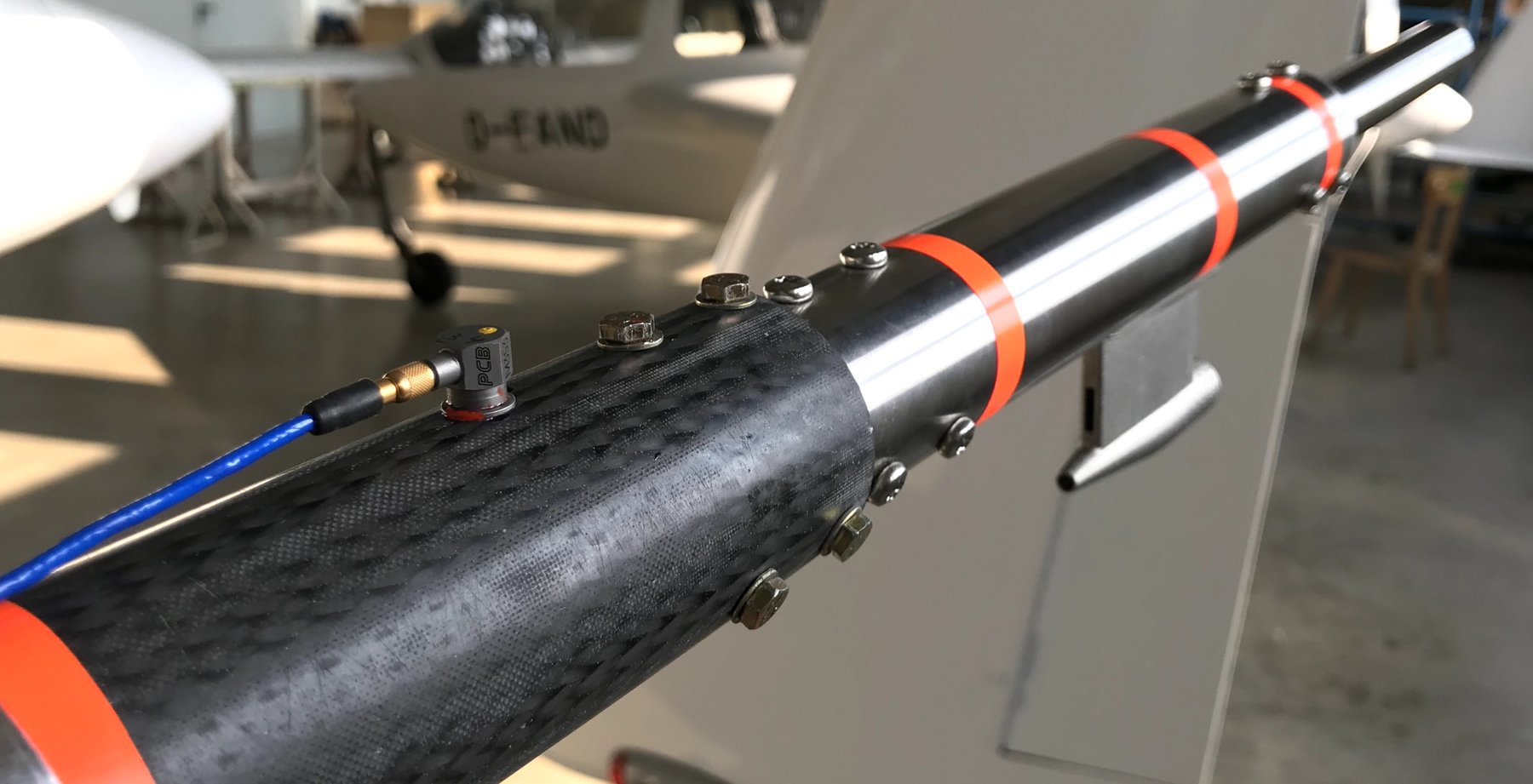
Air-data instrumentation
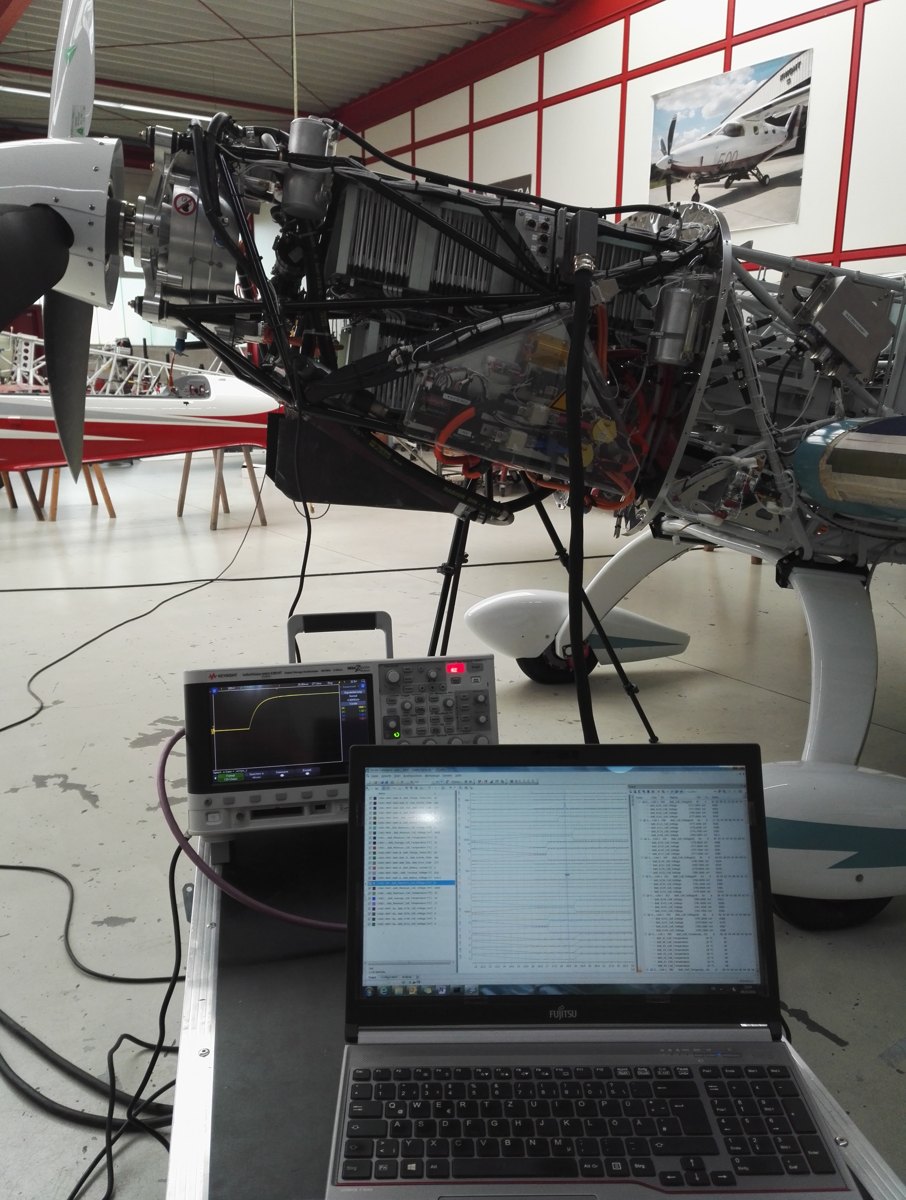
System integration
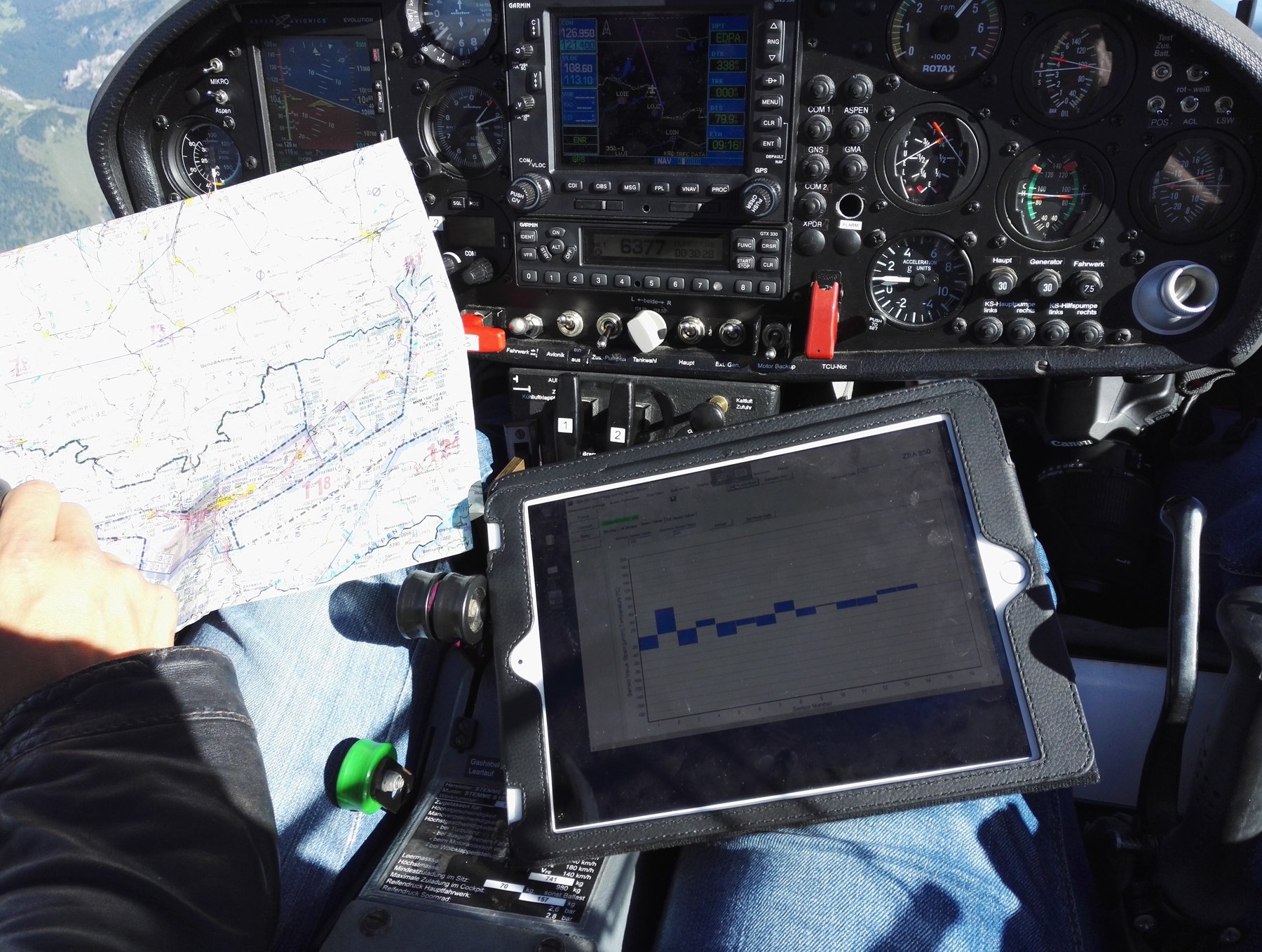
Measurement data in flight
System architecture & integration
The intended operation defines the functions, requirements and interfaces. Mechanical, electrical and software contributions are brought together in an integration plan that accounts for their dependencies.
- Requirements and interface definition
- Integration planning and configuration management
- Functional verification and technical documentation
Autonomous & optionally piloted systems
Uncrewed and optionally piloted aircraft require coordinated mission functions, operating modes and fallback behaviour. Experience with MALE UAVs informs the definition and verification of these interfaces.
- Sensor, actuator and mission-system interfaces
- Operating modes, supervision and fallback behaviour
- Progressive verification on test rigs, on the ground and in flight
Electric & hydrogen propulsion
Electric, hybrid-electric and hydrogen-based propulsion place new demands on aircraft integration. Development support addresses the interfaces between propulsion, energy storage, power electronics and the aircraft.
- Propulsion, energy storage and power-electronics interfaces
- Hydrogen-system integration and functional dependencies
- Test concepts for normal operation and fault conditions
Flight testing
A flight test programme needs clear objectives, suitable test points and an evaluation strategy. The scope covers aircraft performance, flying qualities and system behaviour.
- Aircraft performance measurement and data reduction
- Stability, control and flying-qualities assessment
- Test plans, briefings, execution support and reporting
Flight test instrumentation
Useful test data starts with the measurement chain. Sensor selection, installation, synchronisation and evaluation follow the engineering question and the required measurement accuracy.
- Sensor selection, calibration and installation
- Data acquisition, synchronisation and signal quality
- Data processing, uncertainty assessment and evaluation
Composites, structures & simulation
Material selection, structural analysis and manufacturing need to be considered together. Composite and sandwich structures are developed with attention to load paths, joints and test requirements.
- Fibre-reinforced composites and sandwich structures
- Load paths, joints and structural interfaces
- CAD/CAM, FEM/FEA and CFD as required
Simulation & optimisation
In-house numerical optimisation, CFD and FEA to compare design variants, assess loads and flows, and support engineering decisions.
Rapid prototyping
In-house multi-filament 3D printing for functional prototypes, enclosures and integration aids. Materials and execution matched to the intended use.
Discuss your project with me.
Tell me about your system, the technical question and your timeframe.
schildt.aero
Independent engineering for aviation and nautical applications.
Dr. Philipp Schildt
Strullendorf, Germany


© 2026 Philipp Schildt