
NAUTICAL ENGINEERING
Aerospace methods.
Practical seamanship.
Power supply, sensors, communications and control functions need to work together onboard. Aerospace development methods and more than 25 years of practical skippering experience inform an approach centred on usability, availability and maintainability.
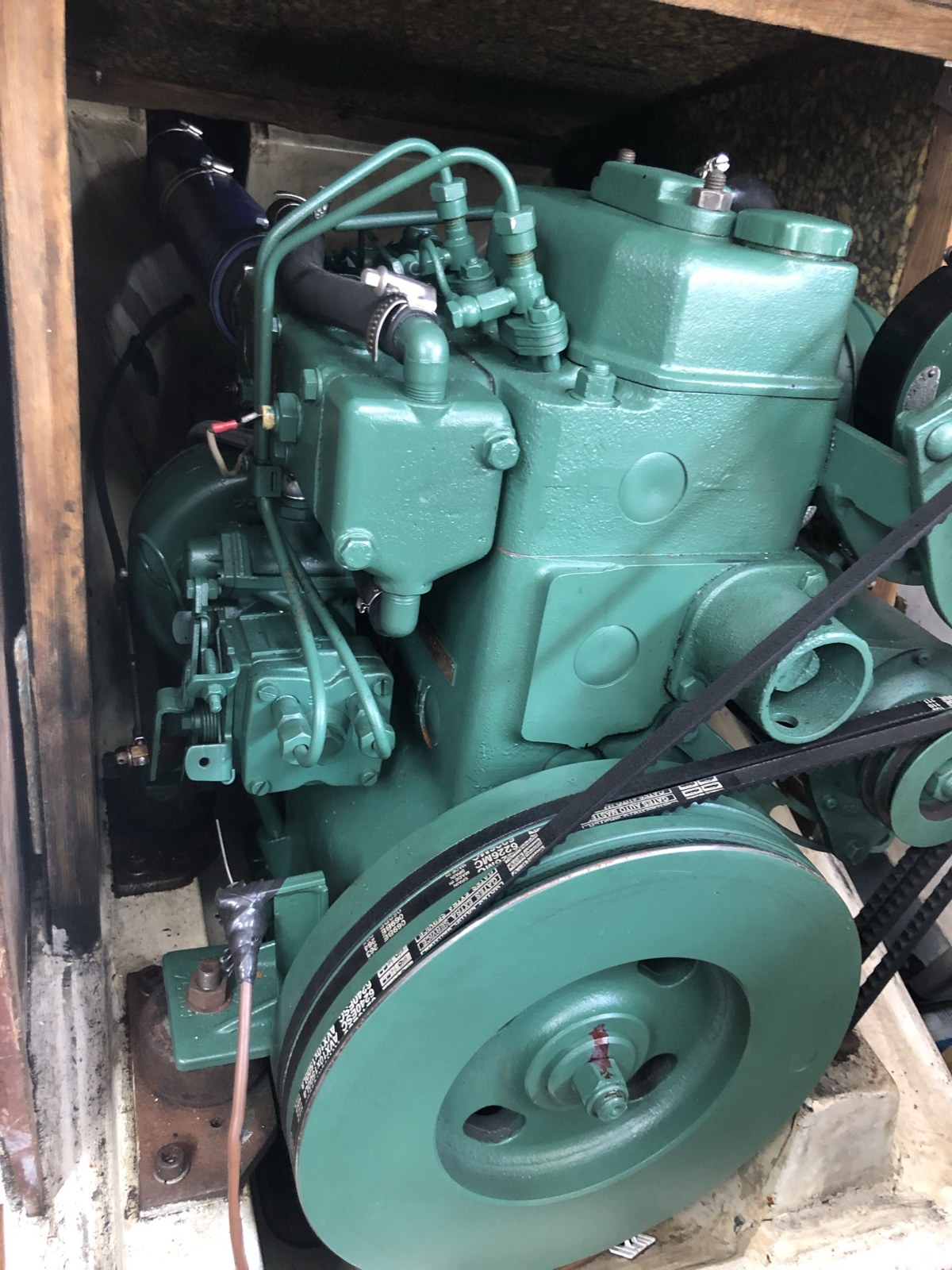
Marine propulsion · Installed system
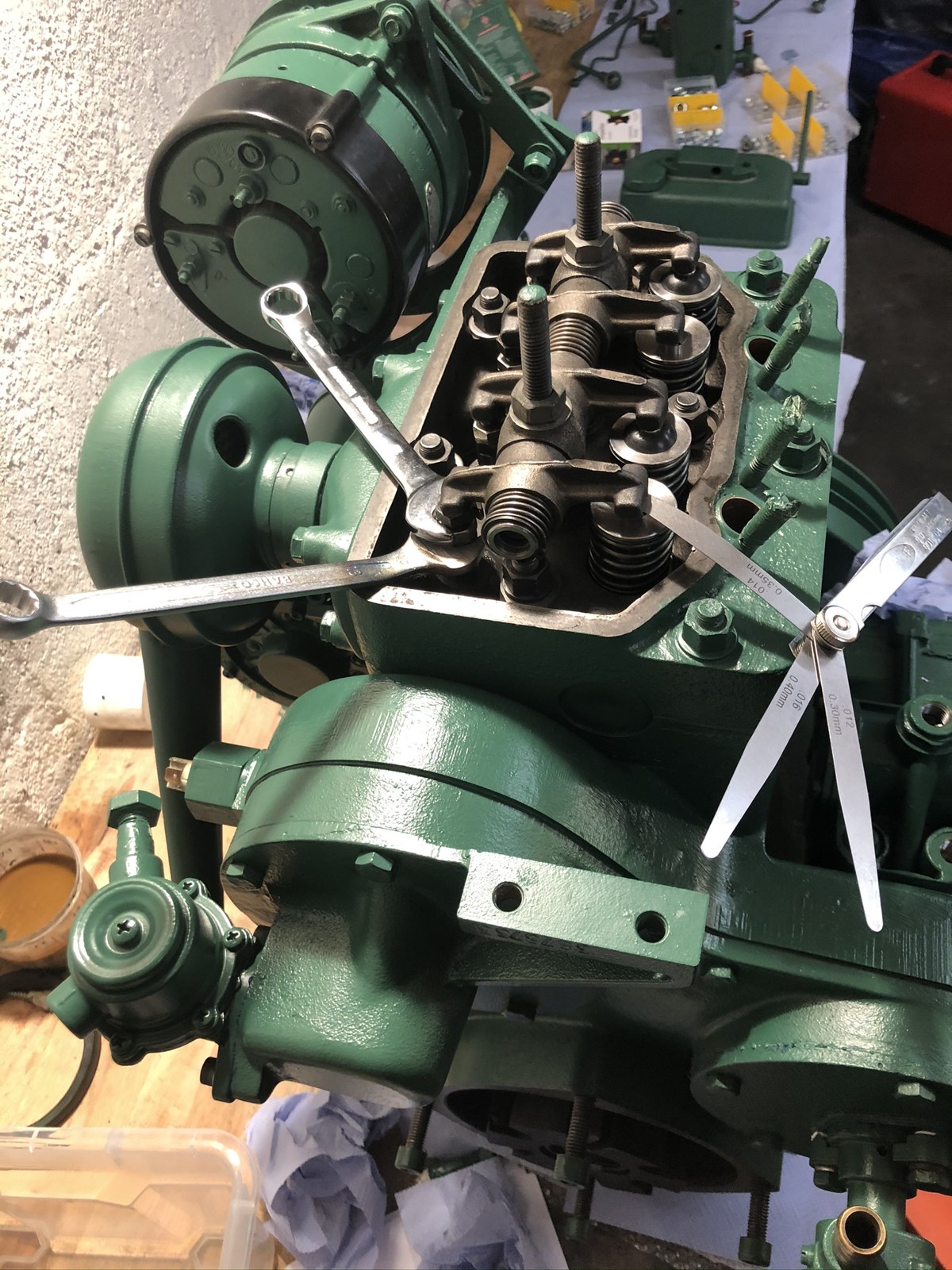
Mechanical detail · Practical engineering
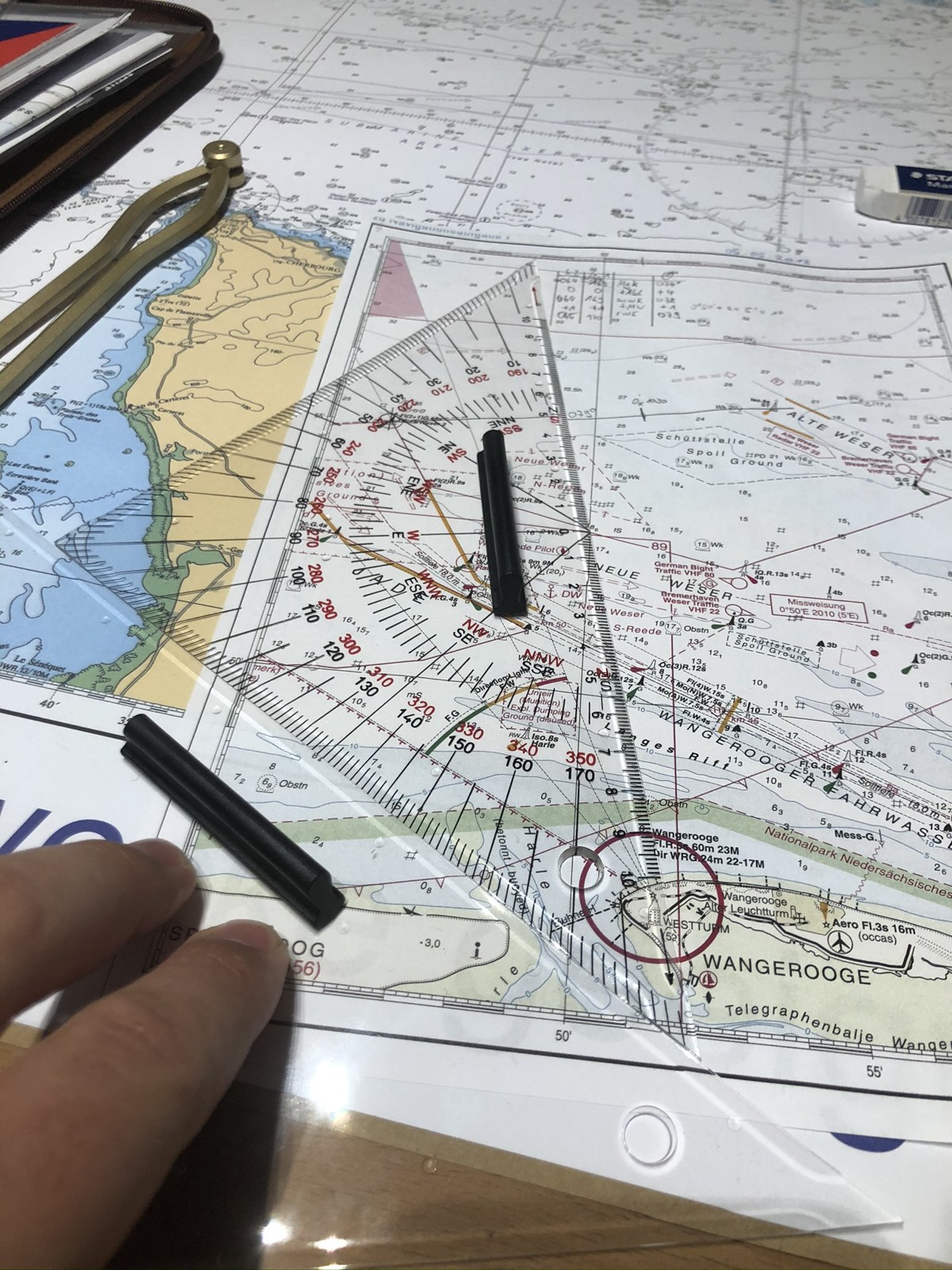
Navigation · Operational perspective
Onboard systems & networking
A coordinated system architecture connects power supply, sensors, communication and control. Defined interfaces make integration, commissioning and subsequent modifications easier to manage.
- Requirements, interfaces and data paths
- Power budgets and network structure
- Integration, commissioning and acceptance tests
Automation & monitoring
Monitoring and automation should make operation easier and system states clearer. Meaningful alarms, manual control and defined fallback modes are part of the design.
- Sensor and actuator integration
- Operating modes and meaningful alarms
- Manual control and defined fallback behaviour
Safety-critical functions
Failure effects and functional dependencies determine the measures needed for the intended use. The focus is on appropriate availability, protection functions and verifiable behaviour under fault conditions.
- Functional dependencies and failure effects
- Availability, redundancy and degraded operating modes
- Verification of protection and alarm functions
Composite structures & lightweight design
Lightweight structures need to suit both the loads and the marine environment. Experience with fibre-reinforced composites and sandwich construction supports material selection, joint design and structural assessment.
- Material selection and load cases
- Joints, load paths and structural analysis
- Moisture, corrosion, vibration and material compatibility
Radio & communication
Radio performance depends on the installation as a whole. Antenna placement, cabling, grounding and compatibility with other onboard equipment are considered together.
- VHF radio and antenna concepts
- Cable routing, grounding and installation interfaces
- Commissioning and functional checks
Development & testing
Calculations and simulations are connected with prototypes, measurements and practical trials. Defined test conditions and documented results provide a basis for acceptance and handover.
- CAD, simulation and manufacturing preparation
- Test plans and representative operating conditions
- Evaluation, documentation and handover
Discuss your project with me.
Tell me about your system, the technical question and your timeframe.
schildt.aero
Independent engineering for aviation and nautical applications.
Dr. Philipp Schildt
Strullendorf, Germany


© 2026 Philipp Schildt